Efficient by necessity
The AI systems we build are designed to do more with less compute — because that’s what makes them fast, deployable on constrained hardware, and cheap to run. It also reduces their footprint. We don’t ask clients to pay a premium to get there.
Why this is a cost question first
Every unnecessary model call is a line on somebody’s cloud bill. Round-tripping to a datacentre for inference that could run at the edge adds latency and cost on every single request, multiplied by however many requests the system handles. Reaching for a large, expensive model when a smaller, right-sized one does the job adequately is the same mistake in a different place. None of this is abstract — it shows up directly in what a client pays to run the system we build for them.
Someone here has already measured this, at scale
Before Ozdyne existed, our founder built a real-time carbon footprint dashboard covering an entire Fortune 500 games company — its own operations and its players, across every platform they played on. It won that company’s internal innovation award for project impact in 2022. His work, not Ozdyne’s, but it is the reason this page is written the way it is.
Measuring a footprint at that scale is a data problem before it is an environmental one: hundreds of millions of sessions across console, PC and mobile, each with a different power profile, resolved into a number that is current enough to act on rather than a report published a quarter late. It is the same work as any other real-time telemetry pipeline — the units are just carbon instead of laps or detections.
Which is why the rest of this page is about compute rather than pledges. Efficiency is something you can measure and then reduce. That is the part we can actually do for a client.
Right-sizing and edge inference
Where a task doesn’t need the largest available model, we don’t reach for it by default. Where inference can run on-device or at the edge instead of round-tripping to a datacentre, we build it that way, wherever we can achieve it — it’s faster for the end user, cheaper to run, and pulls less compute from the grid.
Where this shows up: ARC4
The clearest evidence of this approach is the AI work behind ARC4, which is deliberately hybrid. A custom fine-tuned model runs on-vehicle, on hardware with a fixed power, memory and thermal budget. That constraint wasn’t chosen for sustainability’s sake — it’s the only way the model runs on that hardware at all. It also buys resilience: the car keeps working when the link does not, inference is fast because it is local, and none of it arrives as a cloud bill.
Deeper analysis is still available on demand, running on sustainable cloud resources at low latency and in real time. The point isn’t to avoid the cloud — it’s to reach for it deliberately, for the work that genuinely needs it, rather than round-tripping every routine inference to a datacentre by default. That is the same discipline that keeps a client’s cloud bill down: doing more with less compute, rather than reaching for scale to paper over an inefficient design.

Electric vehicle engineering
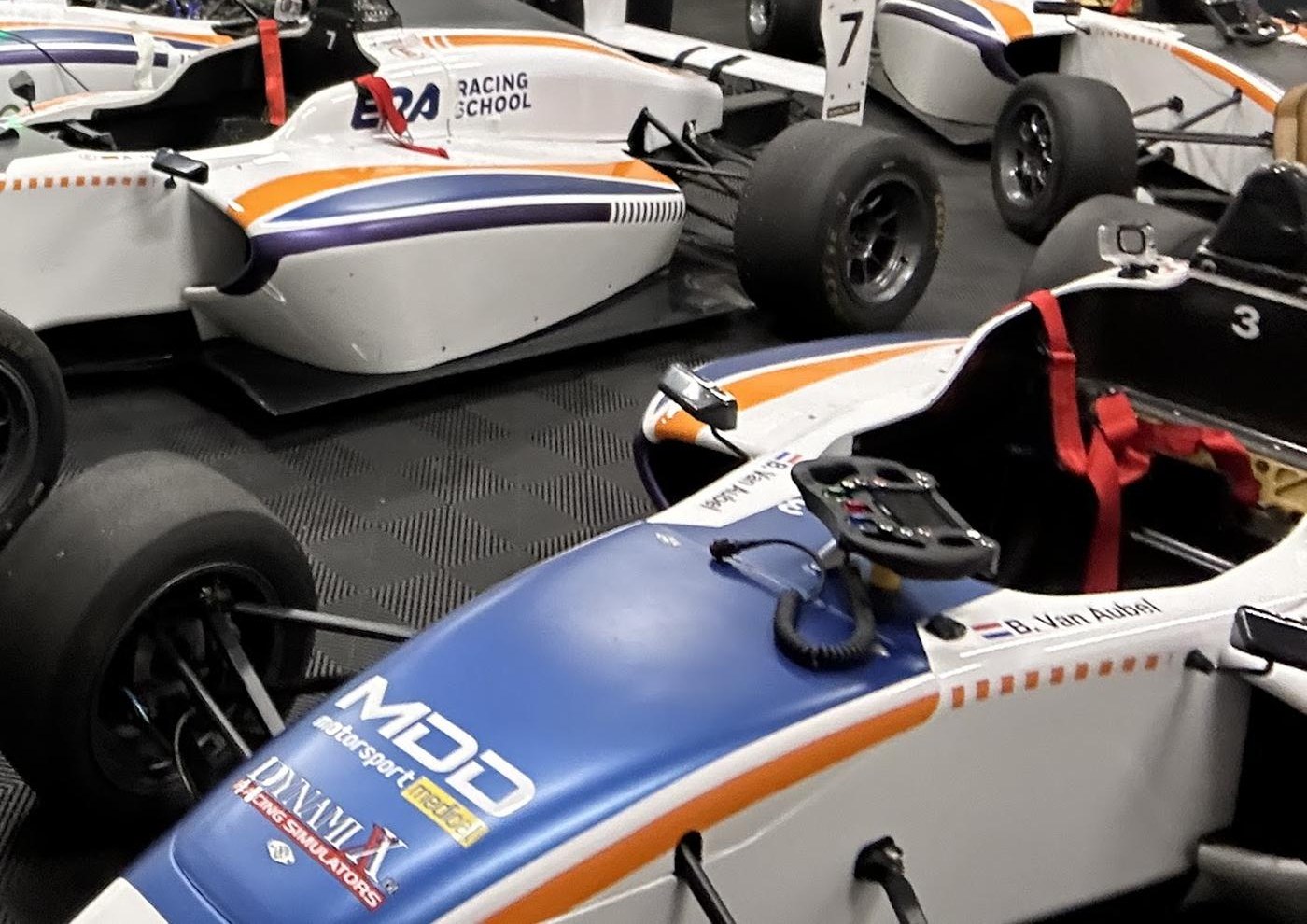
Our hardware work sits inside electric vehicle systems — engineering on the ARC4 battery pack and 48V low-voltage system, as ERA Advanced’s partner on their Formula 4 electric car. Building for electric drivetrains is where a meaningful share of our hardware work sits.
Running on renewables
The systems we host run in data centres powered by 100% renewable energy. Where the choice is ours, we favour renewable energy generated locally — shortening the distance between where power is made and where it is used.
Not every decision is ours to make. Some hosting is set by a client’s own requirements, region or provider. Where it is ours, this is the default rather than an upgrade, and it costs the client nothing to have it.
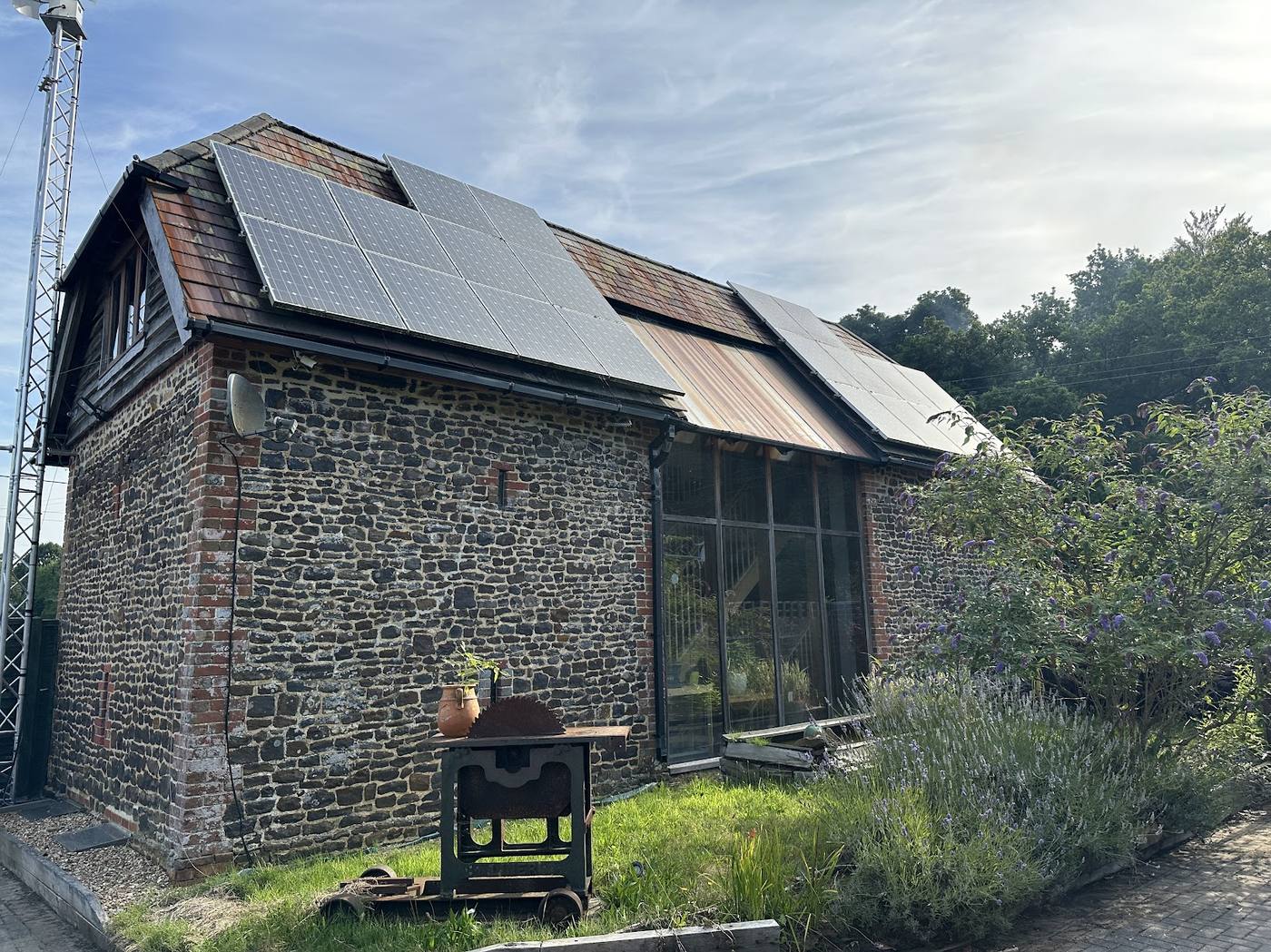
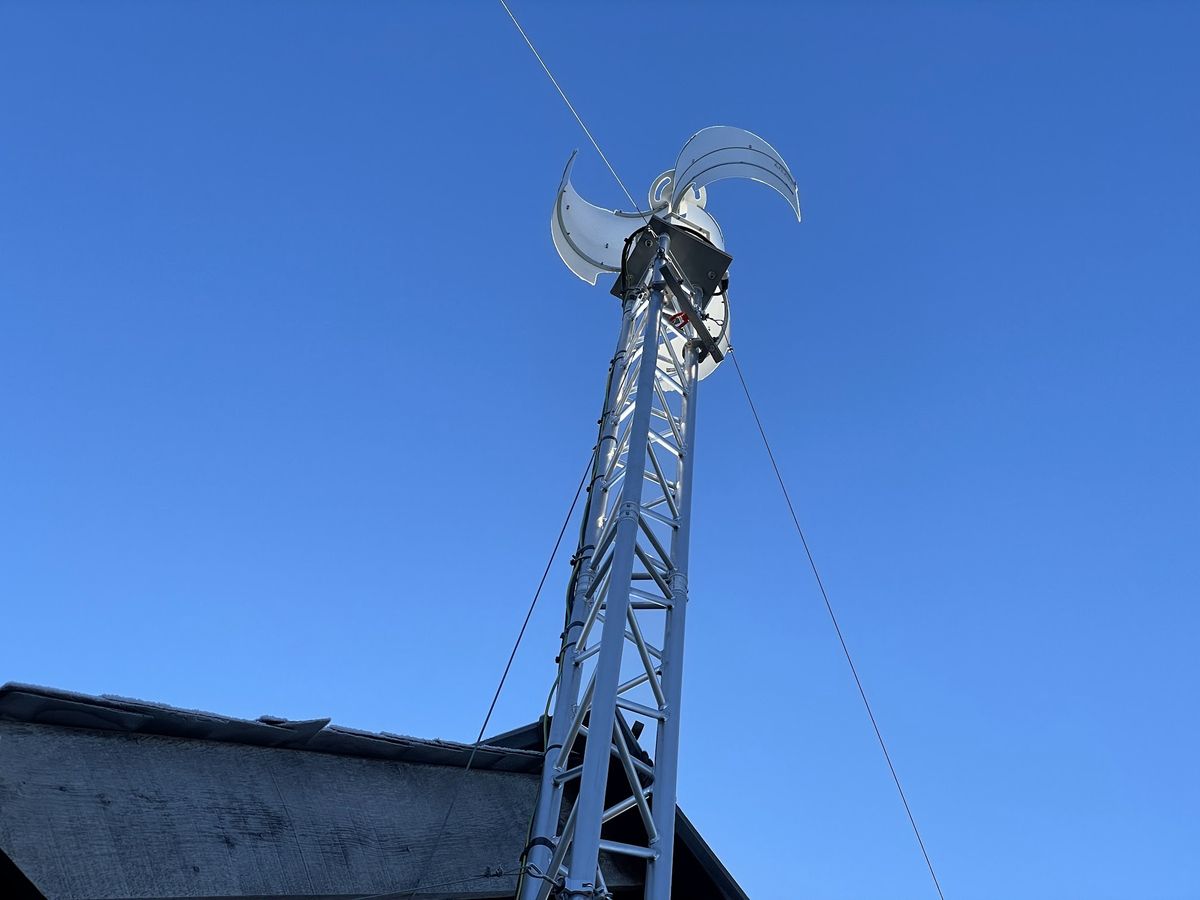
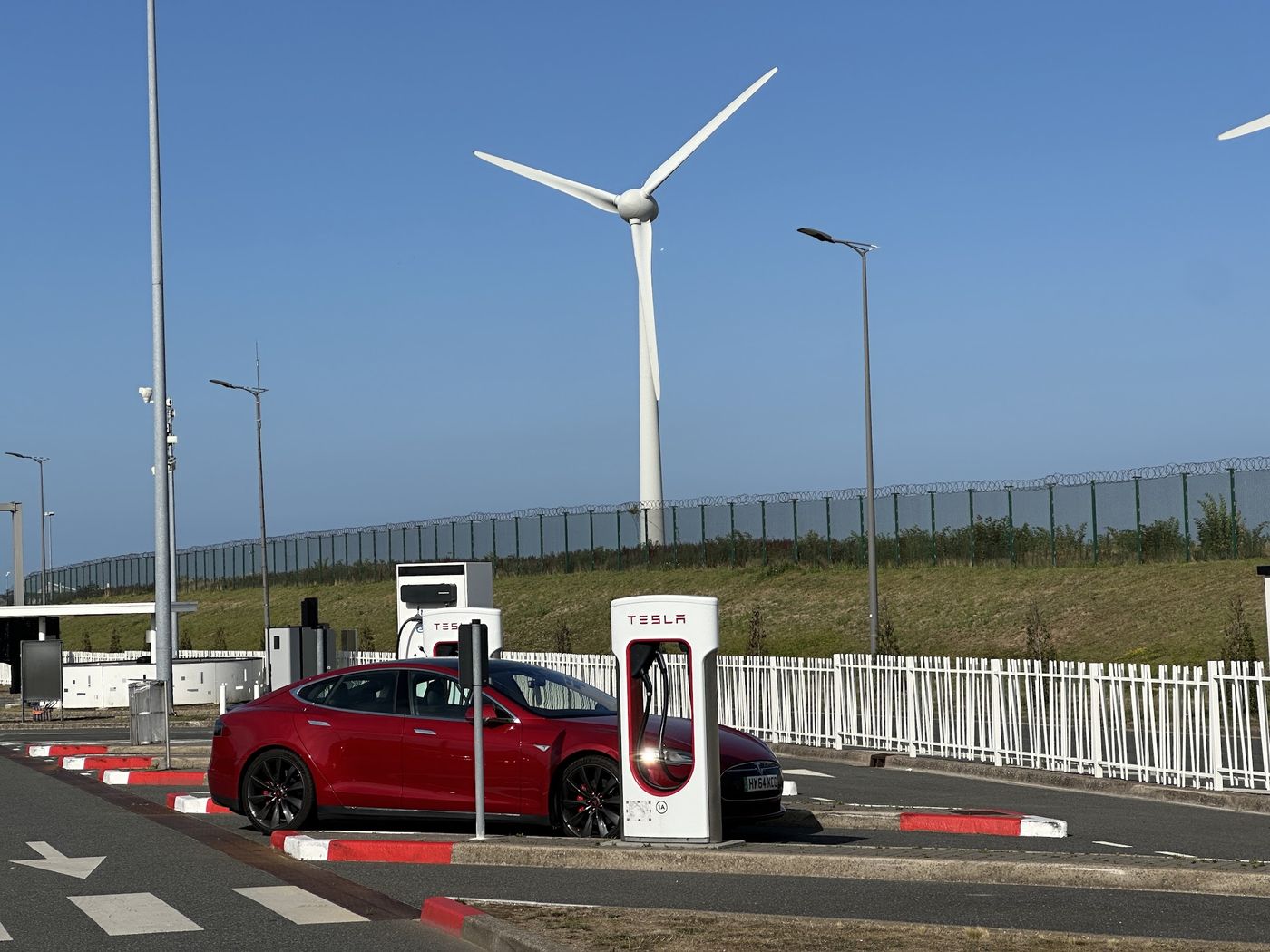
We apply the same standard to ourselves, both at home and professionally. The premises we work remotely from run on 10kW of solar, three battery units for storage, and a small wind turbine — generation and storage on the same site as the load, which is about as local as it gets. Our own transport is all electric, zero local emissions too.
The work we choose
It also shapes what we take on. Given the choice, we take the products and the engineering problems that move things toward sustainable abundance — electric vehicle systems, efficient compute, infrastructure that does more with less. Our ARC4 battery and 48V engineering is that choice made concrete, and so is a model small enough to run on the car rather than in a datacentre.
Let’s talk
If reducing your inference or hosting bill is part of what you’re evaluating, an audit sprint is the place to start.
Scope an audit sprint