AI applied to security and real-time data at scale.
Plenty of people can talk about AI. Plenty can talk about security. Far fewer can sit at the point where they meet — models running inside a live detection pipeline, against real, high-volume data, under real latency and hardware constraints. That intersection is where detection engineering is heading, and it is where we work.
The five disciplines below aren’t separate service lines, and they aren’t a menu we pick from. They’re one skill set described from five angles — the parts that, combined, let us build systems that reason over data in real time and hold up under production conditions, not demos.
Ozdyne contracts across all of them. Thirty years of this has been one long argument that the interesting problems don’t respect the boundaries between them: the anti-cheat work was a data problem, the racing car was a security problem, and the carbon dashboard was both. If you have something in that territory — or something you can’t neatly place — it’s worth a conversation.
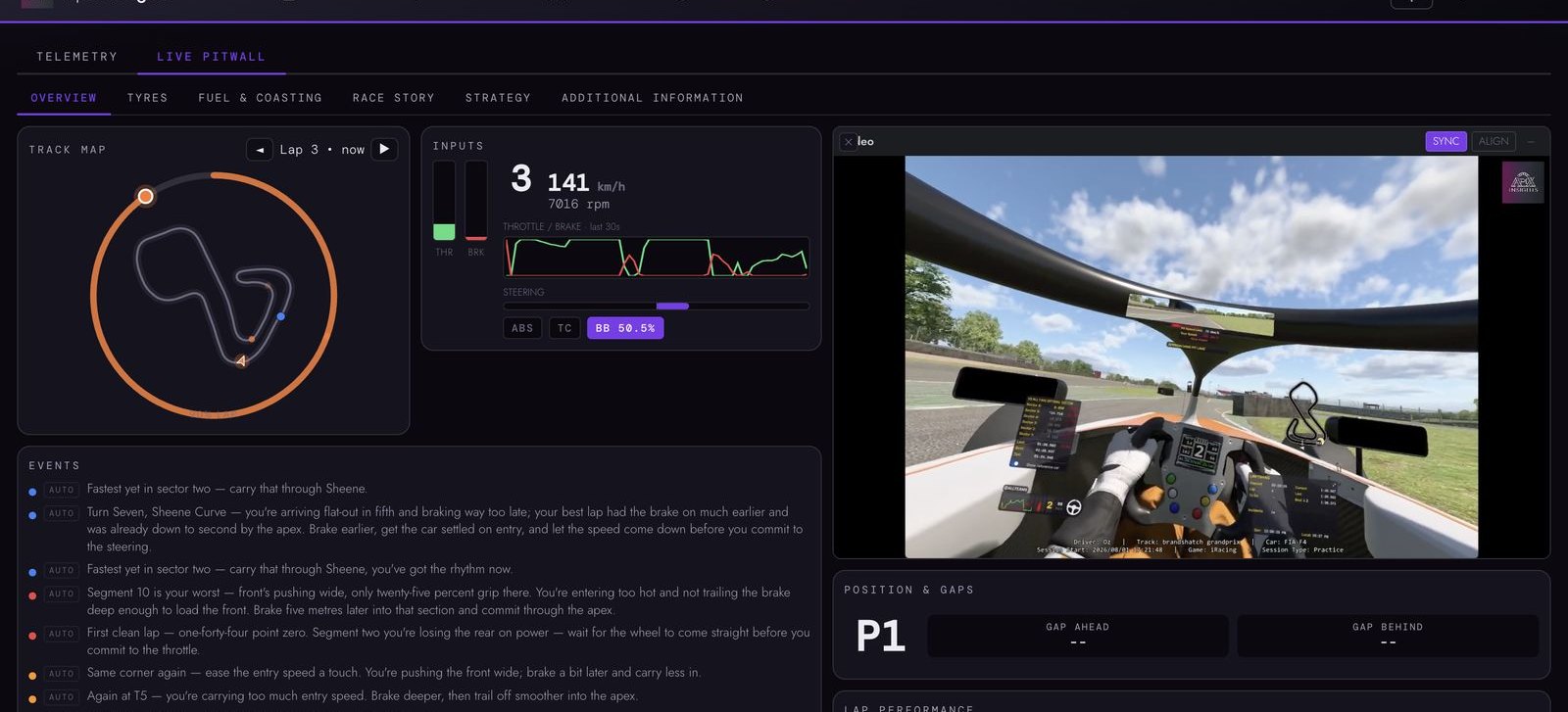
AI
Applied AI that ships on real hardware, not slideware.
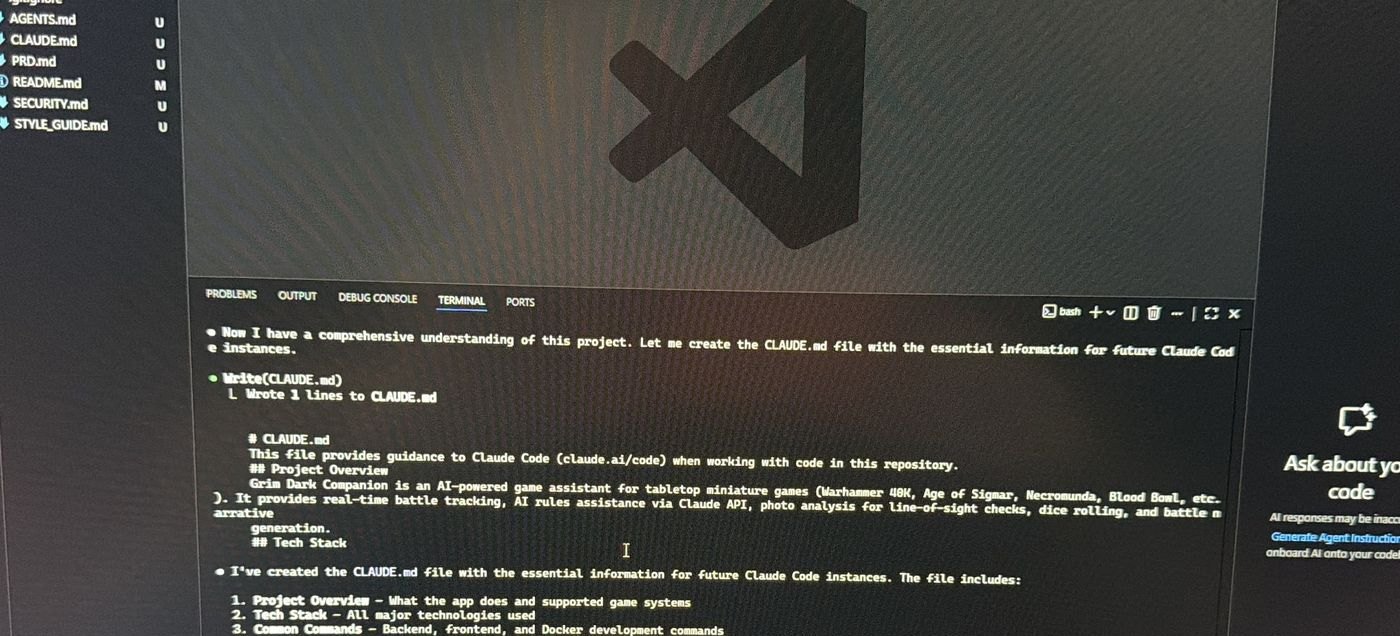
Cybersecurity
Detection engineering against opponents who adapt to you.
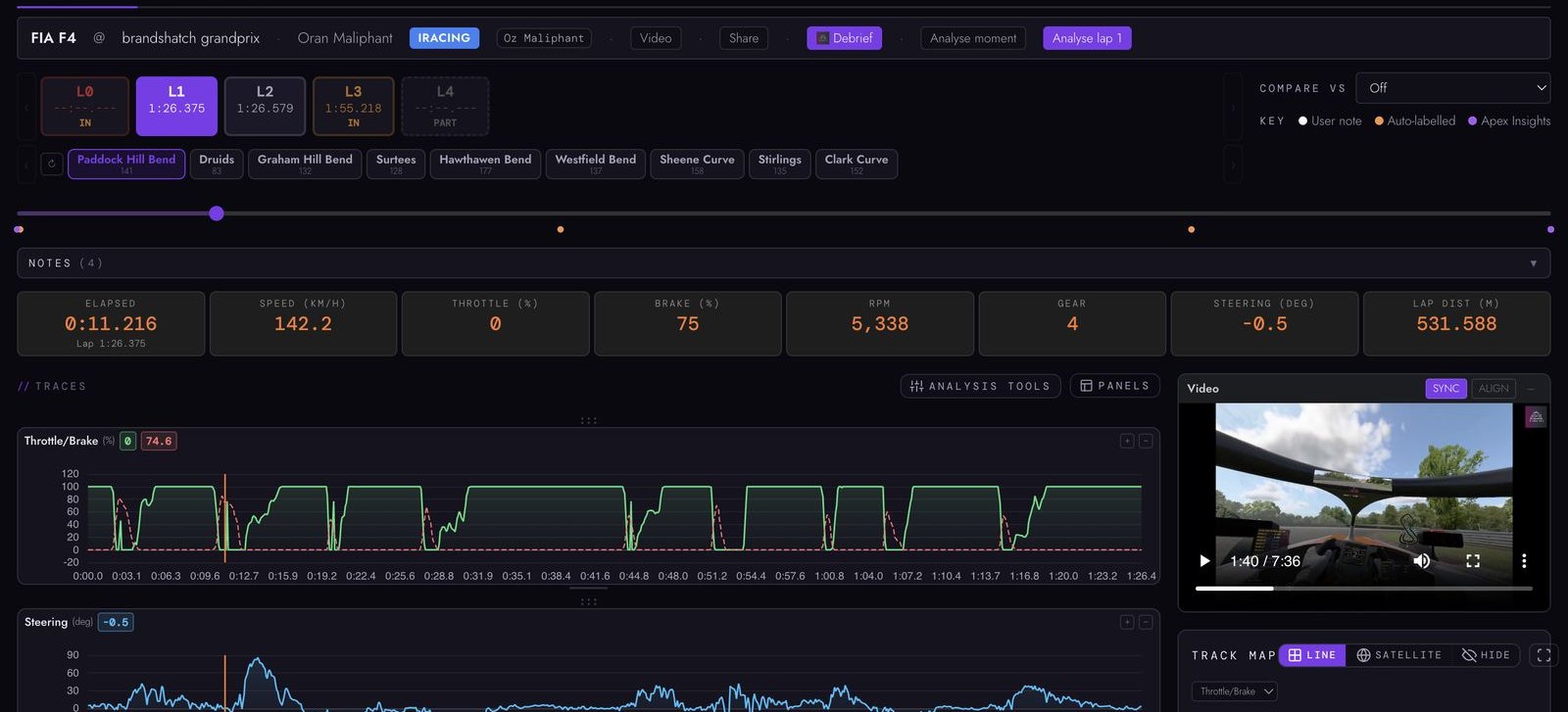
Data engineering
Getting clean data off systems that never meant to give it to you.

Software
Production software, built and run by the people who designed it.
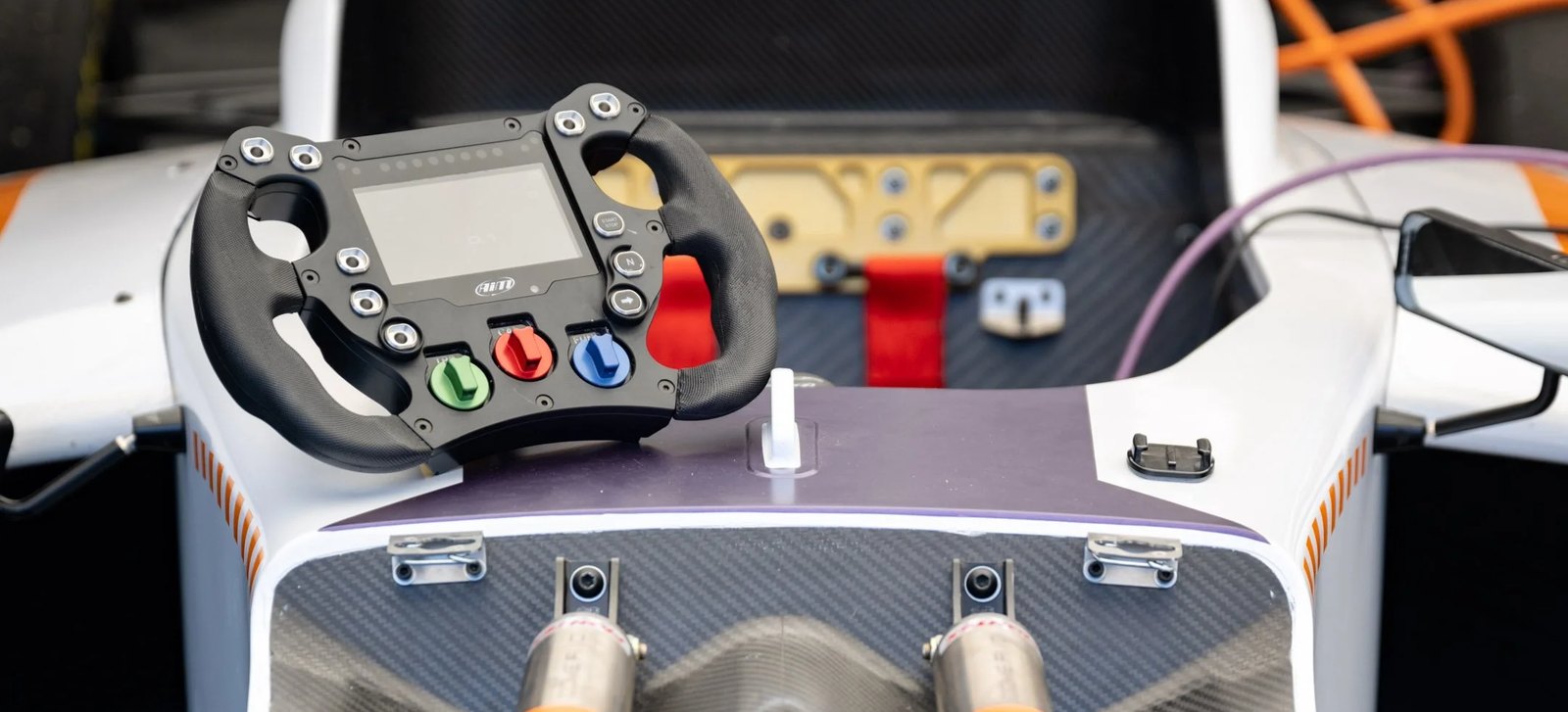
Hardware
Bespoke vehicle electronics, from battery pack to telemetry.