
Overview
Fine-tuned models running on constrained on-vehicle hardware, real-time low-latency analysis, and deterministic outcomes over very large rulesets — a force multiplier for the engineers already doing the work, never a replacement for them.
In practice
- On-vehicle inference under real hardware constraints
- Real-time, low-latency LLM analysis
- Deterministic outcomes over very large rulesets
Where this shows up
- Custom fine-tuned models running as edge AI on-vehicle for ERA Advanced — deployed against real hardware constraints (power, memory, thermal budget). The architecture is hybrid: local inference for resilience and speed when the link is unreliable, with deeper analysis on demand against sustainable cloud resources, in real time and at low latency.
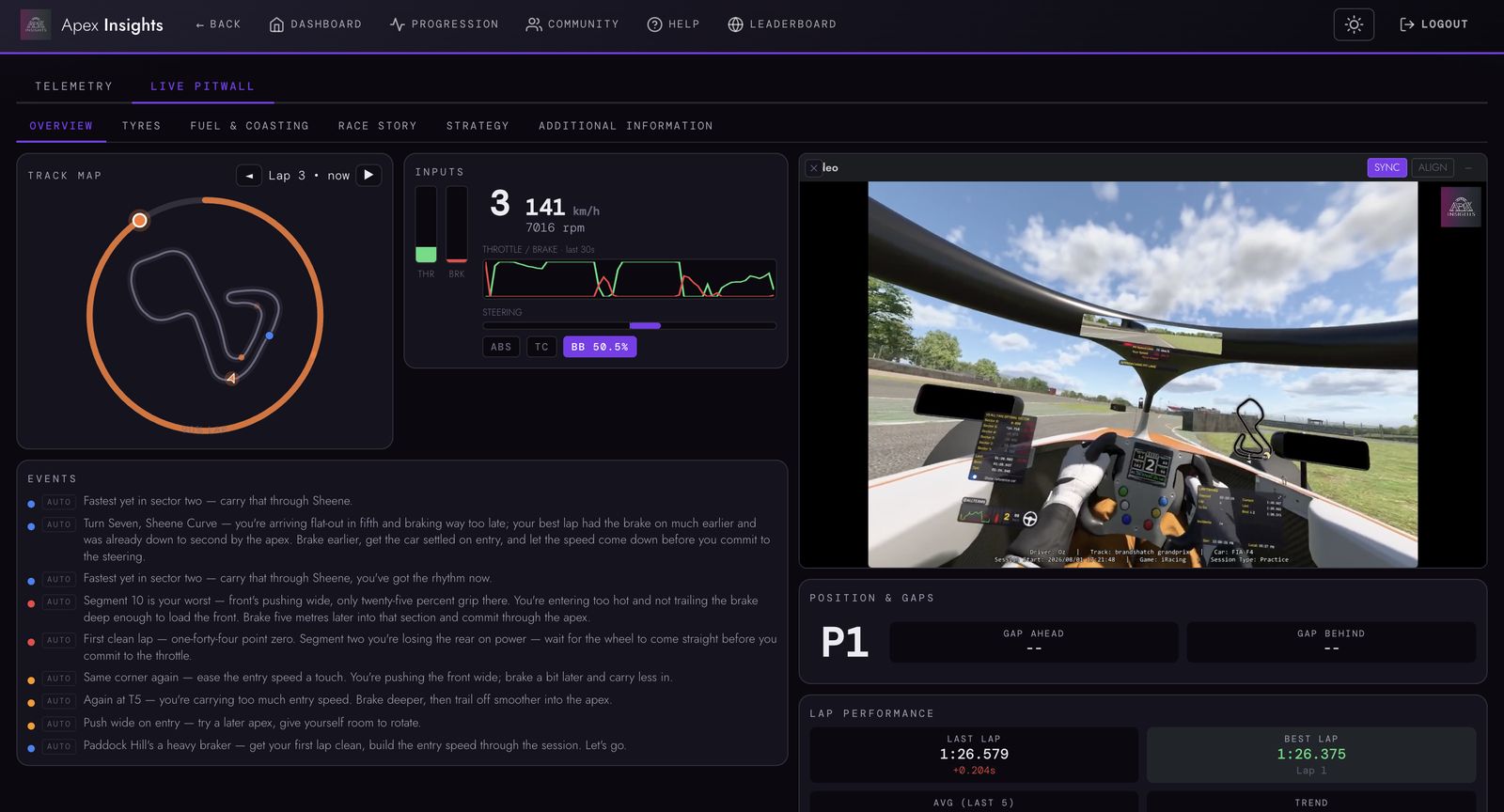
- Real-time, low-latency LLM analysis inside Apex Insights, a product we build, host and operate ourselves, so the latency budget is our problem to solve, not a client’s.
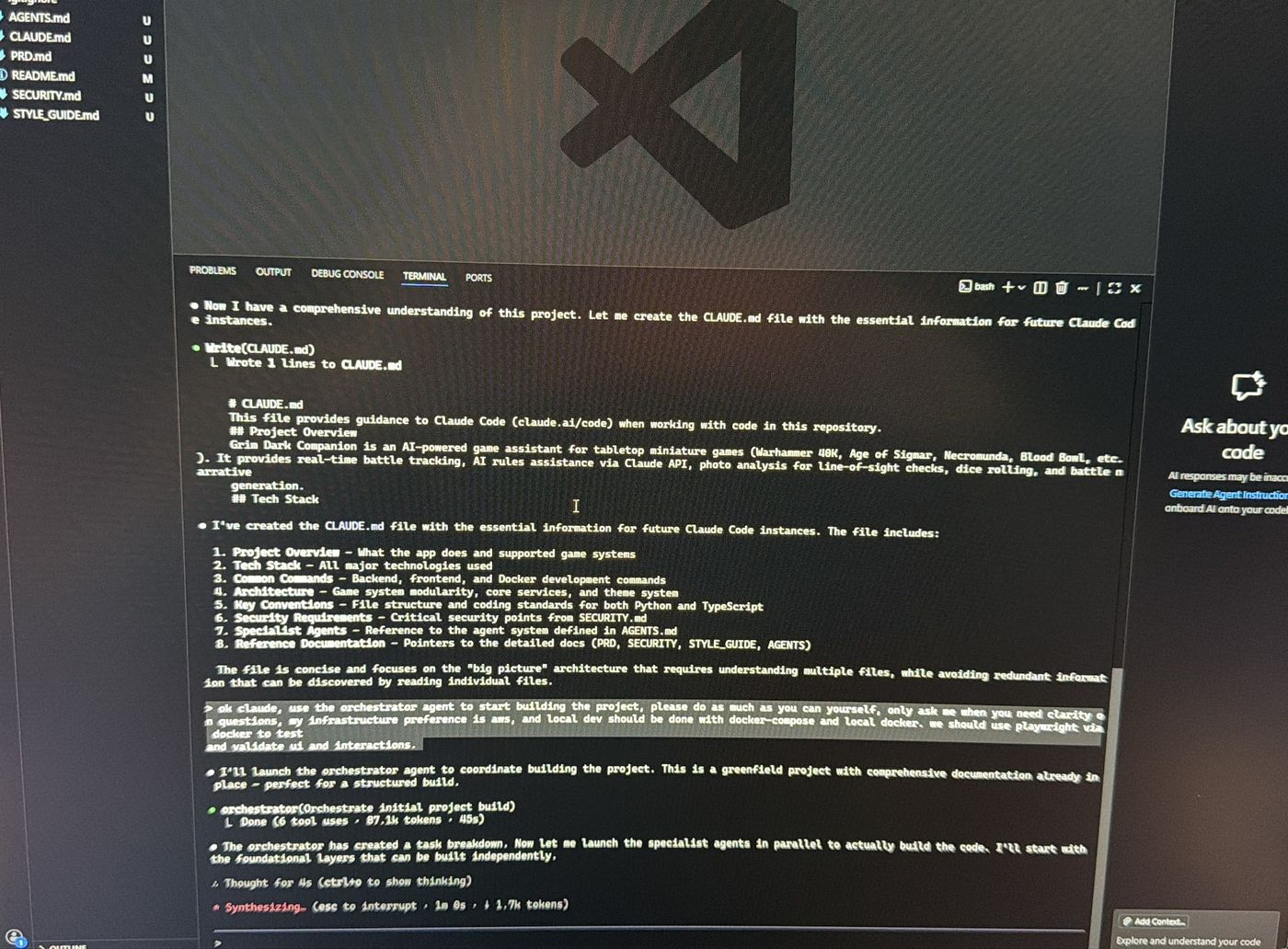
- Deterministic outcomes over very large rulesets in Grim Dark Companion — constraining a model to reliable, repeatable behaviour at scale is a harder problem than getting a demo to answer one question correctly.
- Static analysis for spam and phishing detection.
- AI-based internal infrastructure, agents and tooling, used to run our own work before any of it goes near a client system.
Behind it: the founder’s background
Oz’s own career rather than the company’s work — running since 1997 and still going. It is here because it is why we can do the above.
- Five-plus years working with applied AI, including teaching it to security and game teams at a Fortune 500 games company.
Where AI doesn’t help
Saying where a technology falls short is rarer in this market than it should be. It matters more than the list of where it succeeds.
- Ambiguous, novel judgement calls — a model trained on precedent is the wrong tool for a case that has none.
- Systems where a wrong answer has real cost and "probably right" isn’t good enough, such as safety-critical vehicle control.
- Badly instrumented data. A model can’t reason over data that was never captured cleanly in the first place — that’s an engineering problem AI doesn’t shortcut.
- Defining what "correct" actually means. That’s a domain-expertise question, and it has to be answered before a model can be constrained to it, not after.
AI is a force multiplier for engineers who already know the domain. It doesn’t replace that expertise, and we don’t sell it as if it does.
Let’s talk
If you’re trying to work out whether AI actually fits a specific problem, an AI readiness assessment or an LLM evaluation and guardrail review is the place to start.
Scope an AI assessment